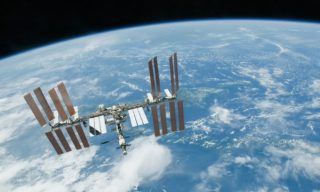


Analyzing the composition of dust samples from the ISS biologists found potentially pathogenic bacteria able to cause serious diseases under conditions of zero-gravity.
Before going to the ISS all cosmonauts and astronauts pass strict medical check; in the framework of these procedures their bodies are cleaned of all bacteria both dangerous and harmless. Such measures are necessary since the scientists cannot predict how these bacteria will behave under conditions of weightlessness, carbon dioxide surplus and space rays and how cosmonauts’ immune system weakened by space flight factors will react to it.
Kasthuri Venkateswaran and his colleagues from NASA Jet Propulsion Laboratory, Pasadena, USA, tried to answer this question comparing the bacteria from real ISS to those from space life simulators based on Earth.
The scientists analyzed dust and fabric samples from ISS filters using most advanced DNA transcript systems that enable to detect bacteria and determine its family.
It turned out that there are many bacteria onboard the station indeed, with its species composition being much different from microorganisms living in ISS mock-up based on the Earth. For instance the scientists found onboard the station large quantity of actinobacteria, potentially dangerous for ISS habitants since to these belong diphtheria and itching agents.
On the other hand there are no firmicutes onboard the ISS in contrast with its Earth-based copy (firmicutes include e.g. staphylococcus, aphthous fever, botulism, tetanus and other dangerous deceases agents). This points to the fact that different bacteria behave under space flight conditions in different ways. The scientists say these results will enable the specialists to elaborate new standards to protect the astronauts and cargoes.