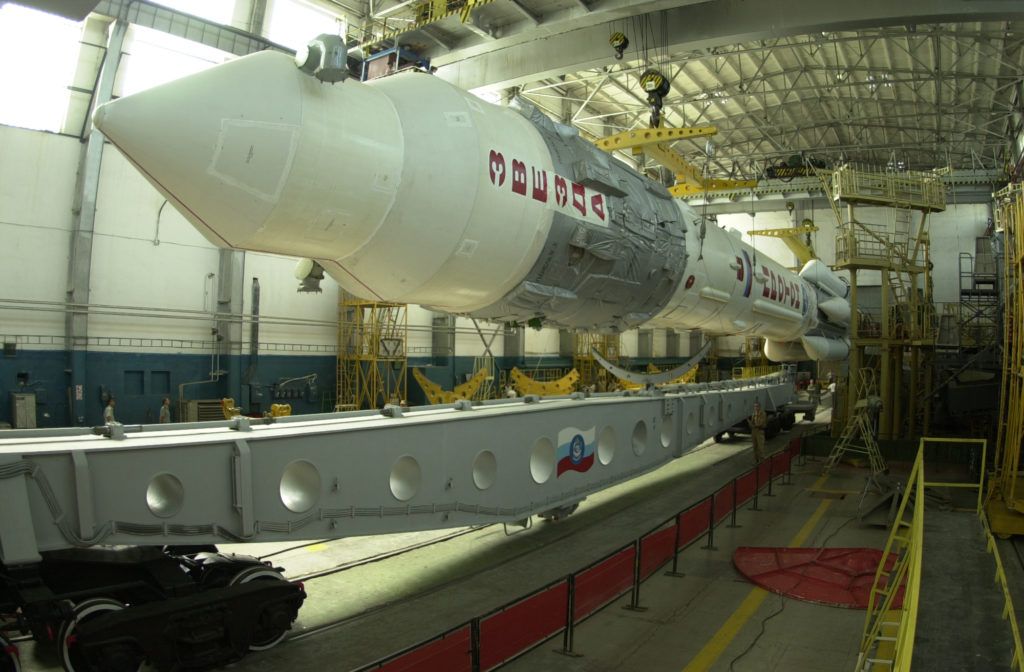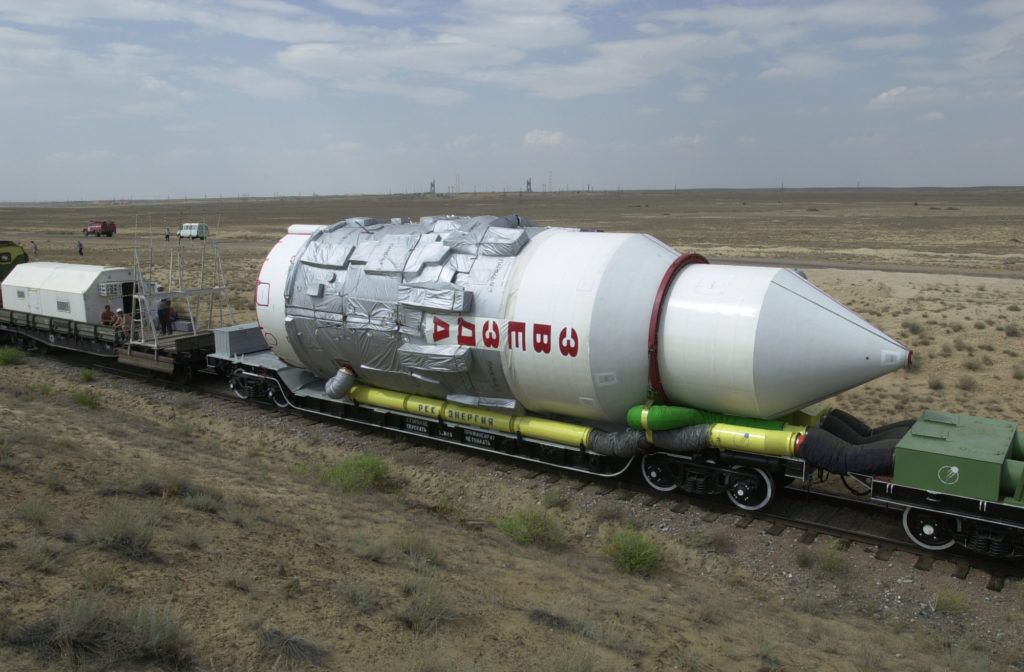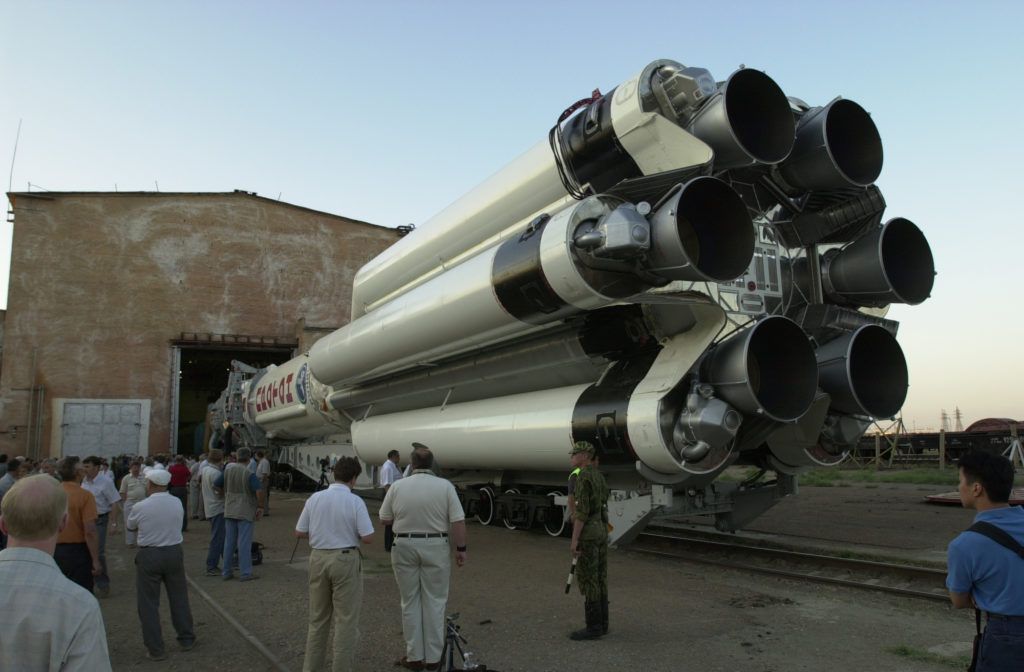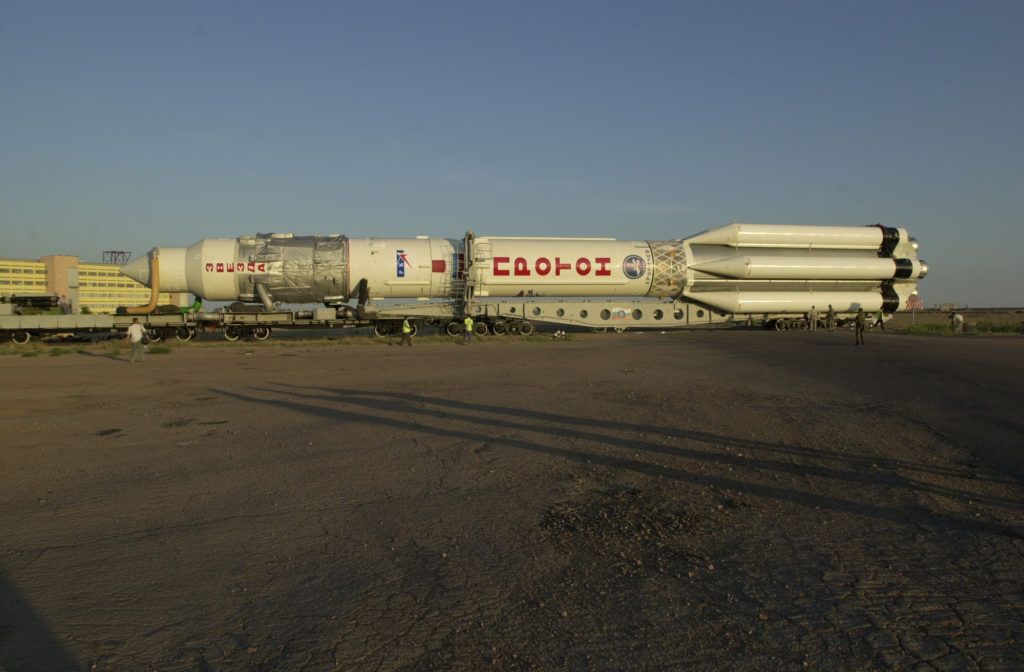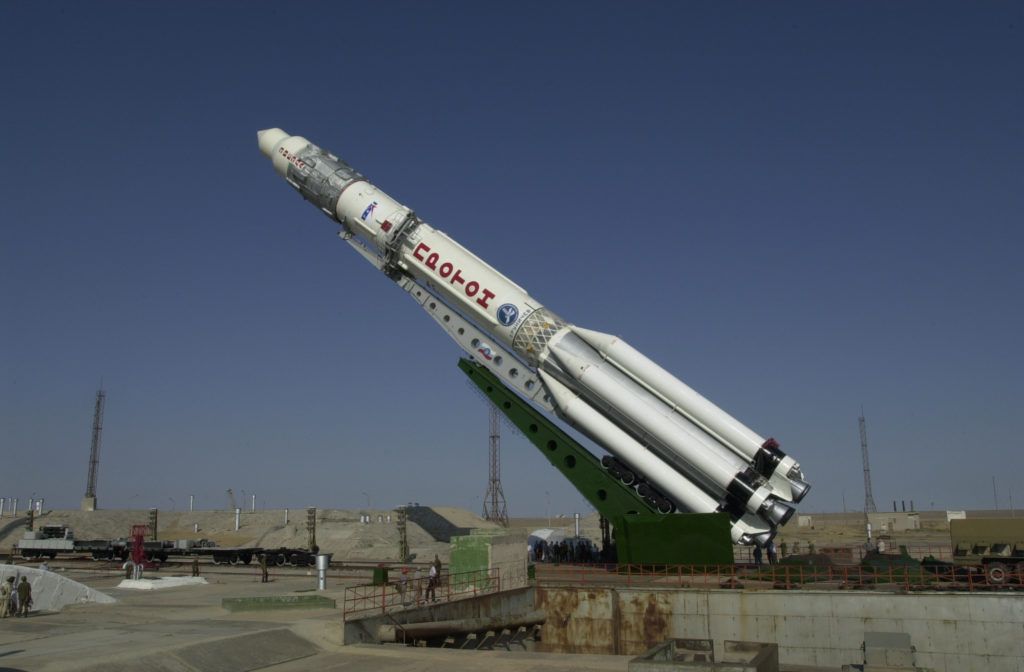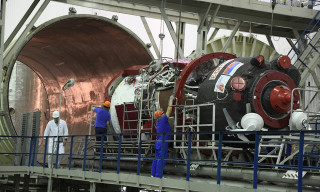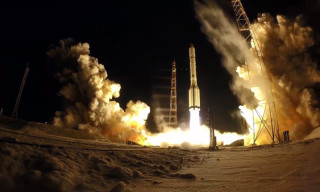
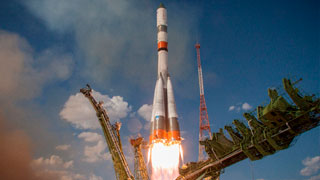

20 years ago, on July 12, 2000, the Proton-K launch vehicle launched from the Baikonur Cosmodrome. It launched the Zvezda service module, the third element of the International Space Station, into low Earth orbit.
A few days later, on July 26, 2000, the composition of the International Space Station was replenished with another Russian module – Zvezda. With the arrival of the service module at the station, a place appeared for the crew to live and work.
The creation of the International Space Station on orbit began on November 20, 1998 with the launch of its first module – the functional-cargo block Zarya. In December of that year, the Endeavor shuttle launched the Unity connecting module into orbit and docked it with Zarya. In July 2000, the ISS was replenished with the third module. It was the service module “Star”.
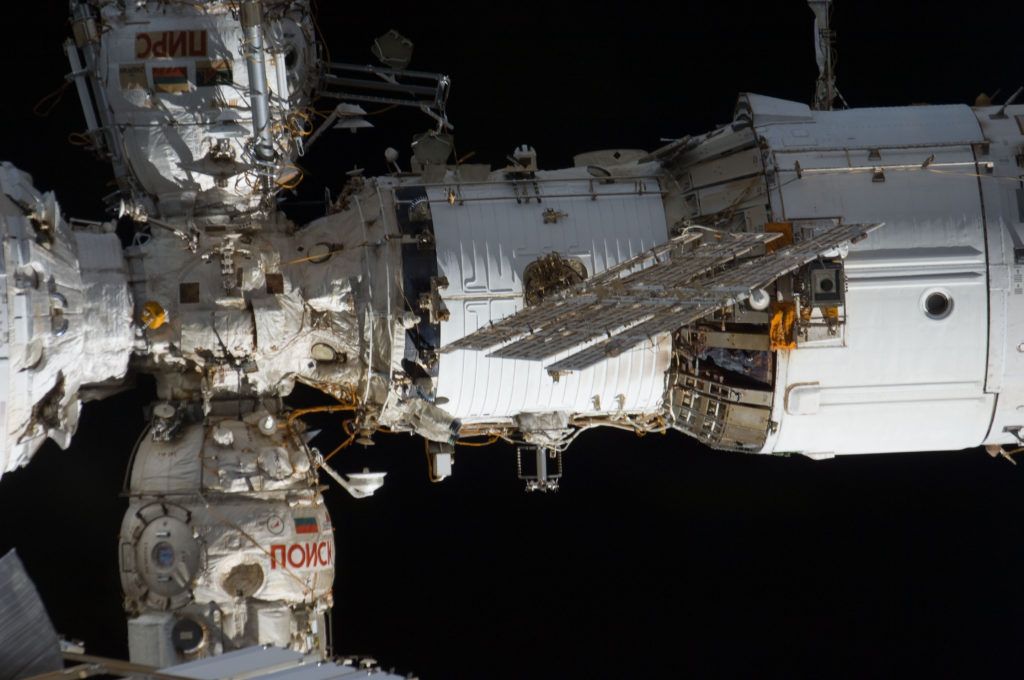
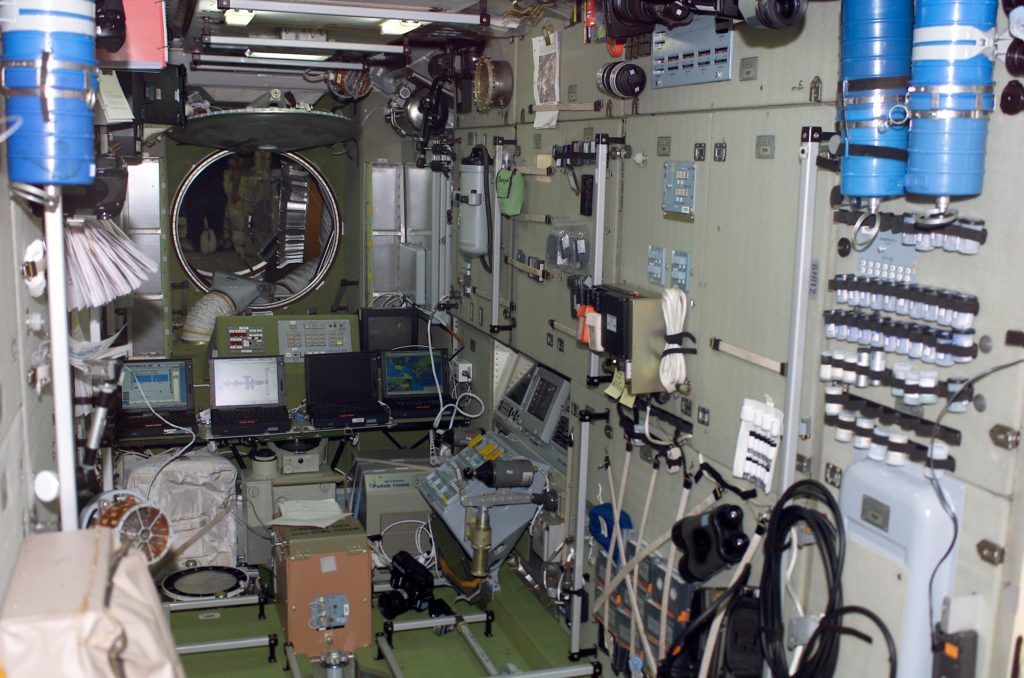
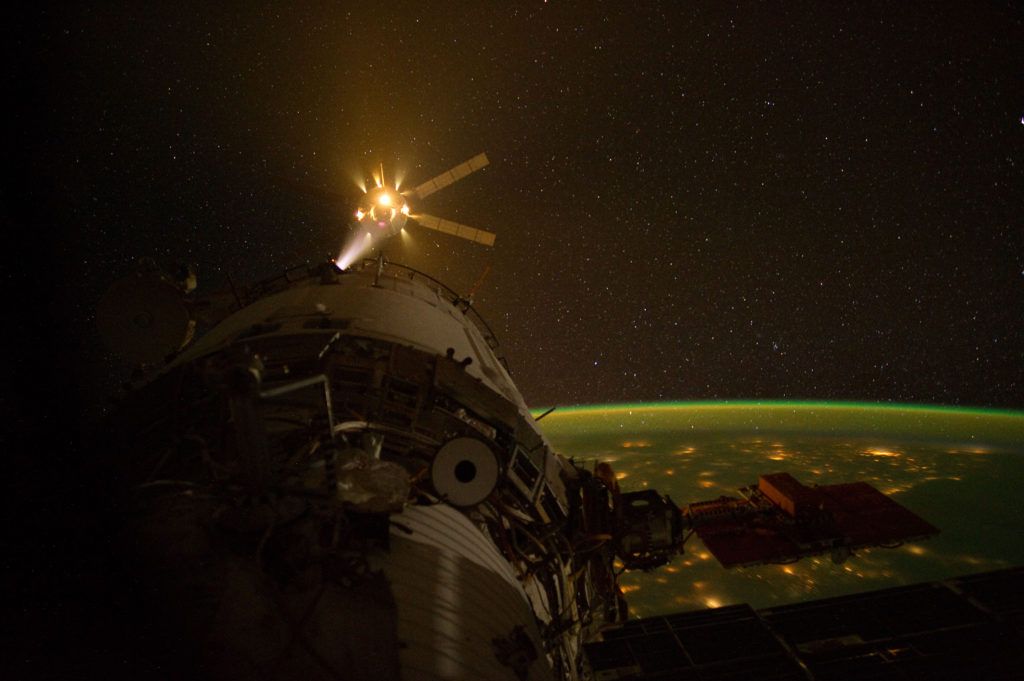
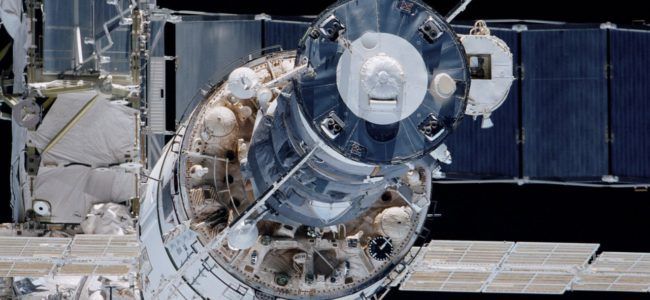
By its purpose, the Zvezda module is the basis of the ISS Russian segment. It provides crew operations and station management with regularly changing configurations. At the beginning of station deployment, Zvezda served as the base unit of the entire station, the main place for the crew to live and work. The service module performed life support functions for all modules, altitude control over the Earth, power supply to the station, computer center, communication center, and the main port for Progress cargo ships. Over time, many functions were transferred to other modules, however, Zvezda will always remain the structural and functional center of the Russian segment of the space station.
On November 2, 2000, the crew of the first main expedition (ISS-1) arrived on the manned spacecraft Soyuz TM-31 – William Shepherd, Yuri Gidzenko and Sergey Krikalyov. Since that day, the International Space Station has become a permanently inhabited station. On its board, replacing each other, the crews of the main expeditions began to work for several months.