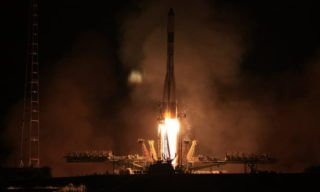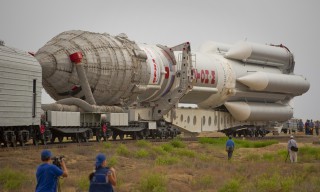
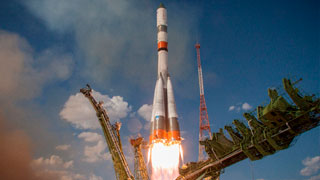


The reason of Angara booster first test launch from Plesetsk spaceport shift was the leak of oxidizer line pressurization valve venting, – the spokesman for space industry reported.
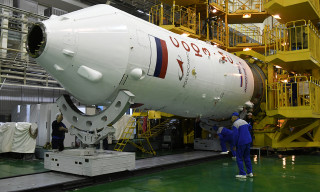
“According to preliminary data the launch of the newest ecologically friendly booster was automatically aborted approximately 15 minutes before the launch itself. The reason is of technical character: leaky oxidizer line pressurization valve venting. To eliminate the fault it was decided to drain the fuel, demount the booster from the launching complex and transport it to the technical position”, – he stated.
The first launch of Angara was aimed to set the booster’s second stage with inseparable payload dummy into ballistic trajectory. Then it was to fall on the territory of Kamchatka peninsula.
For security reasons all parts of Angara universal complex were designed and manufactured by Russian industries, on the territory of Russia. Launches for the Ministry of Defence and Roscosmos needs will be accomplished from Plesetsk spaceport and later from the new spaceport Vostochny in Amur region.
The booster was not launched at the time planned since automatics aborted the launch because of technical reasons. First the launch was shifted to June 28, then for a longer term due to the necessity of launch abort cause investigation. According to Khrunichev Centre new launch date will be announced additionally.
On July 2, the decision was made not to demount the booster from the launching complex. The specialists believe that there is still a possibility for the booster to be launched some of these days.
The spokesman reported that Roscosmos Head Oleg Ostapenko is coming to Plesetsk this week to study the results of Angara launch automated cancellation investigation.