October 13, 2020

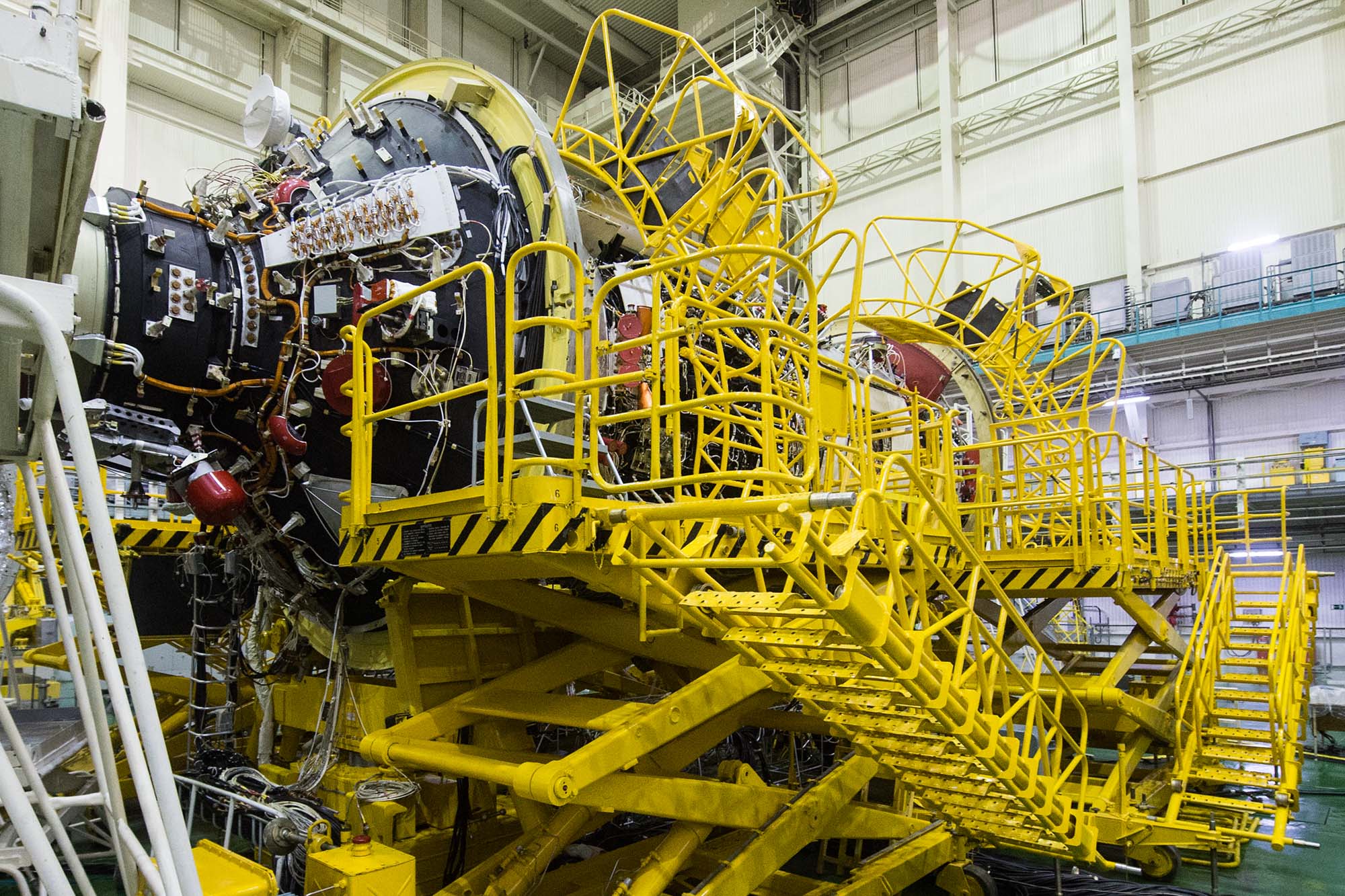
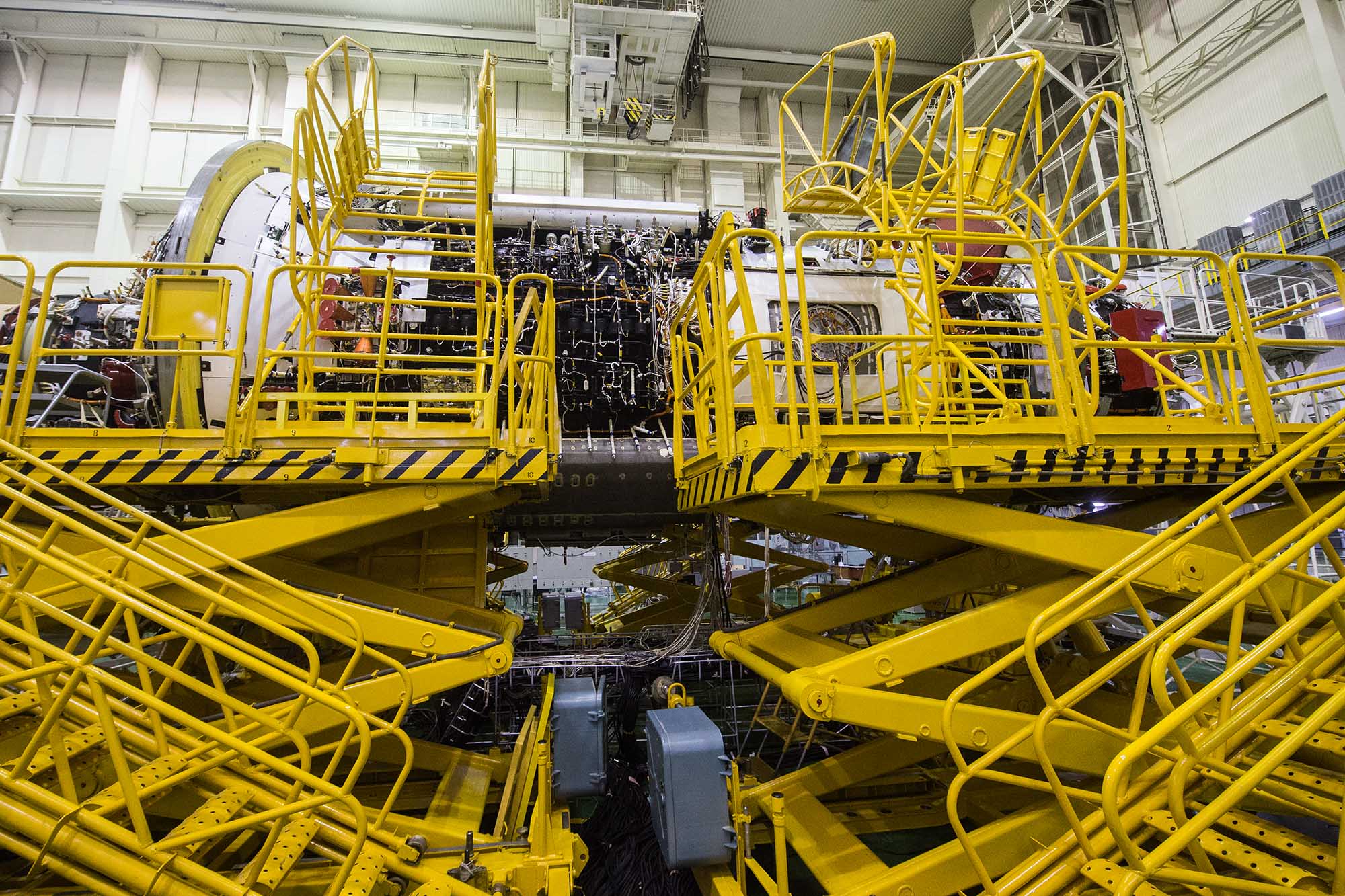
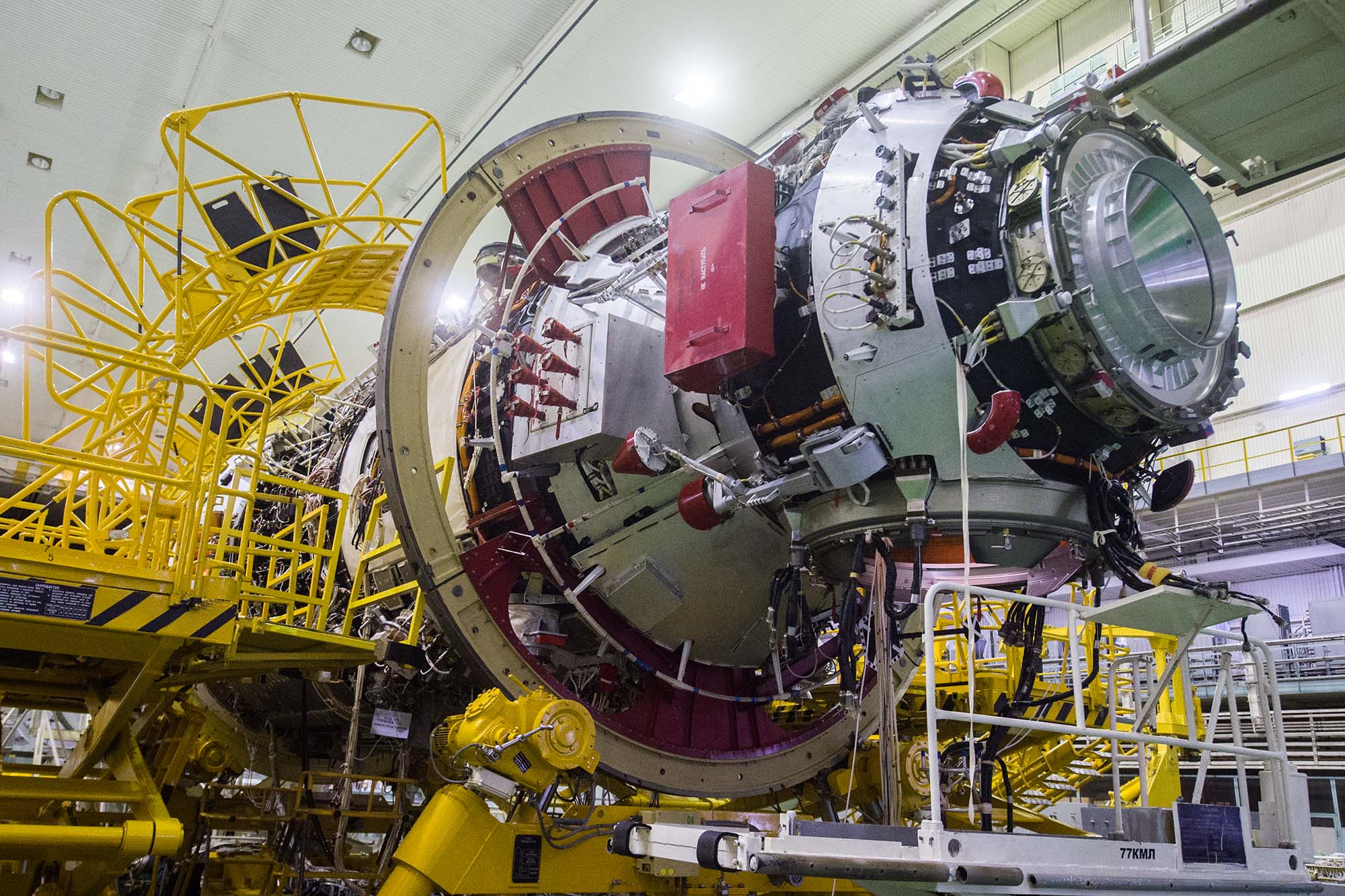
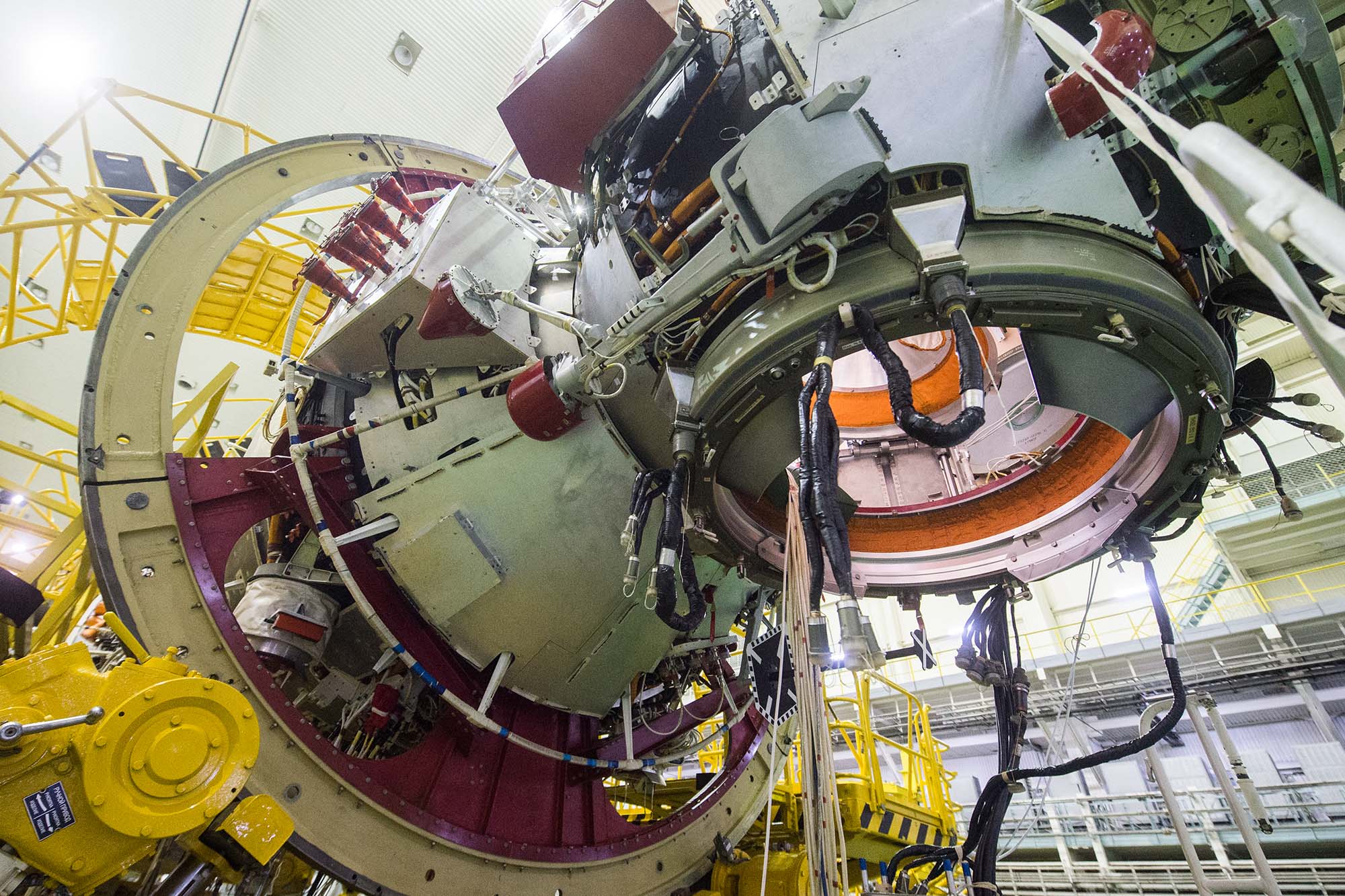
Nauka (Science) module prelaunch preparation plan stipulates for cosmonauts trainings on module equipment. The launch of the module is planned for spring 2021.

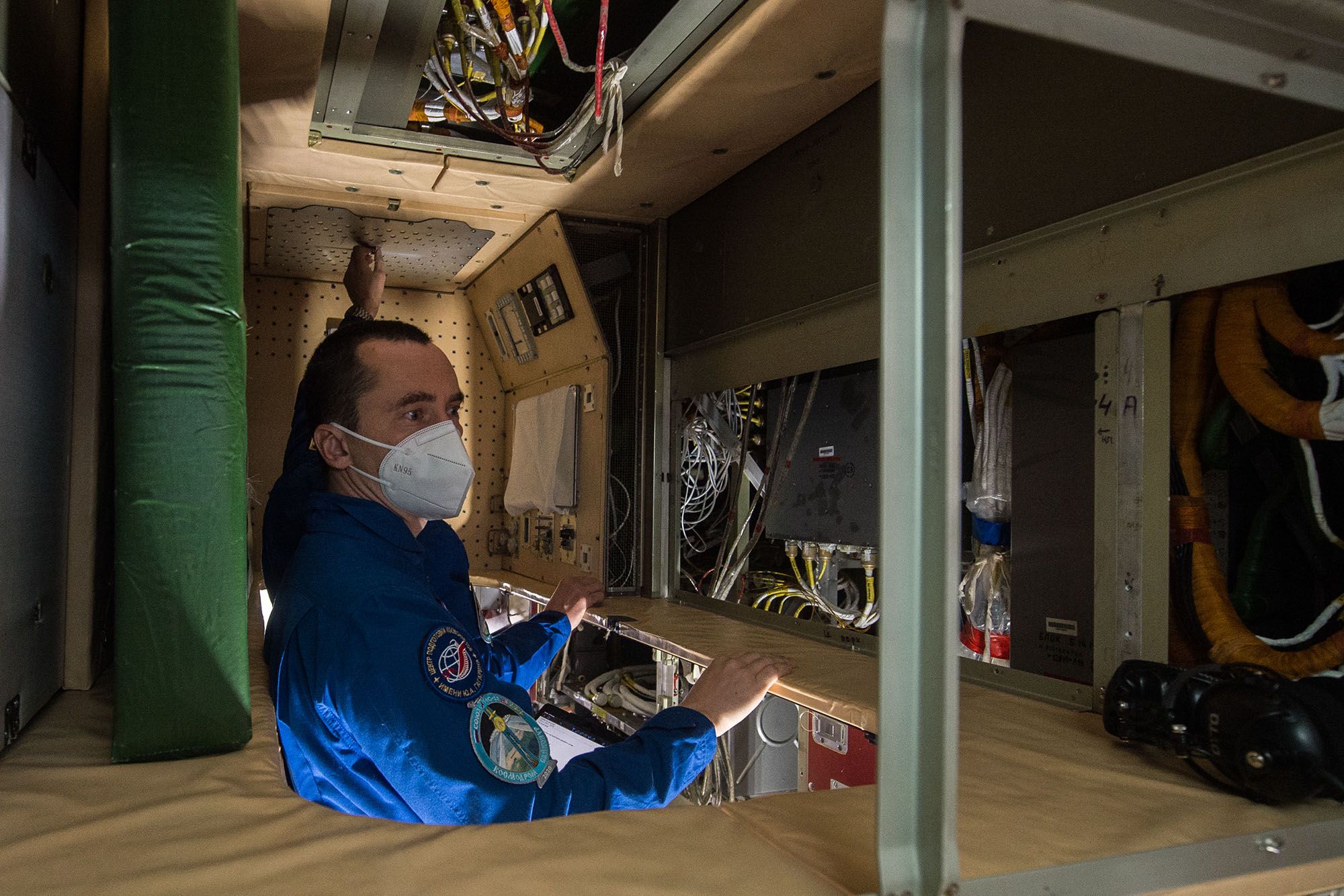
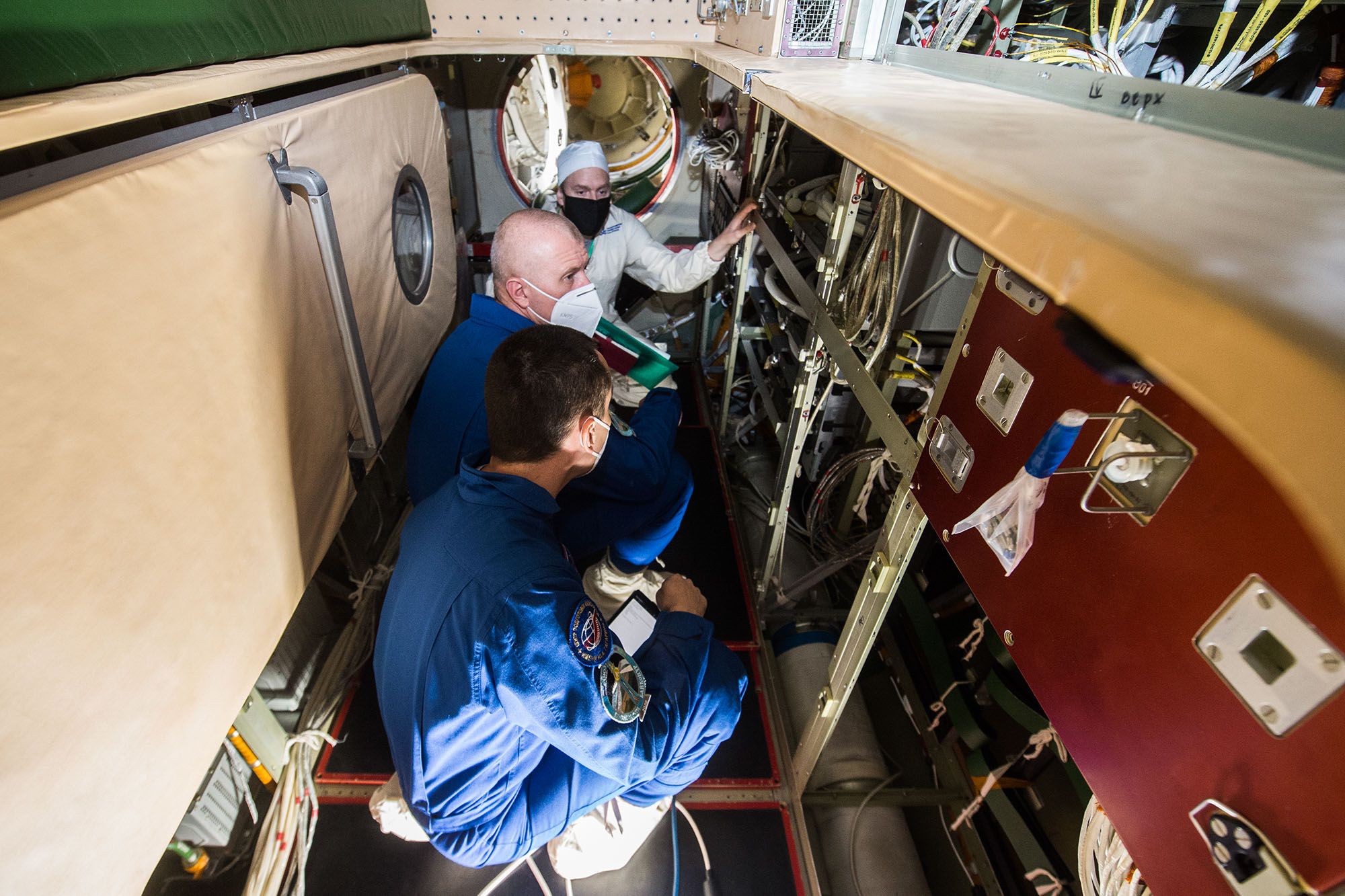
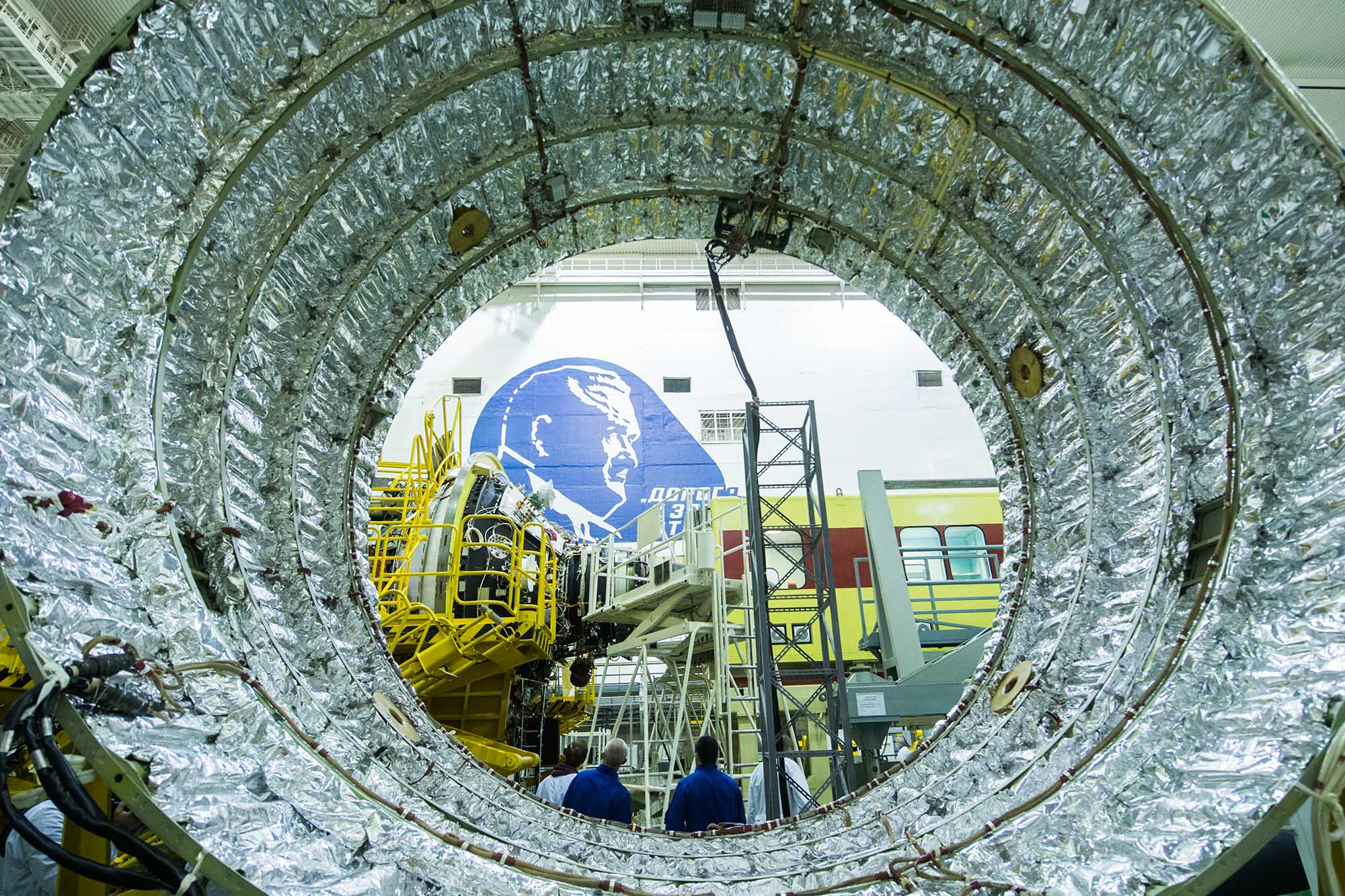
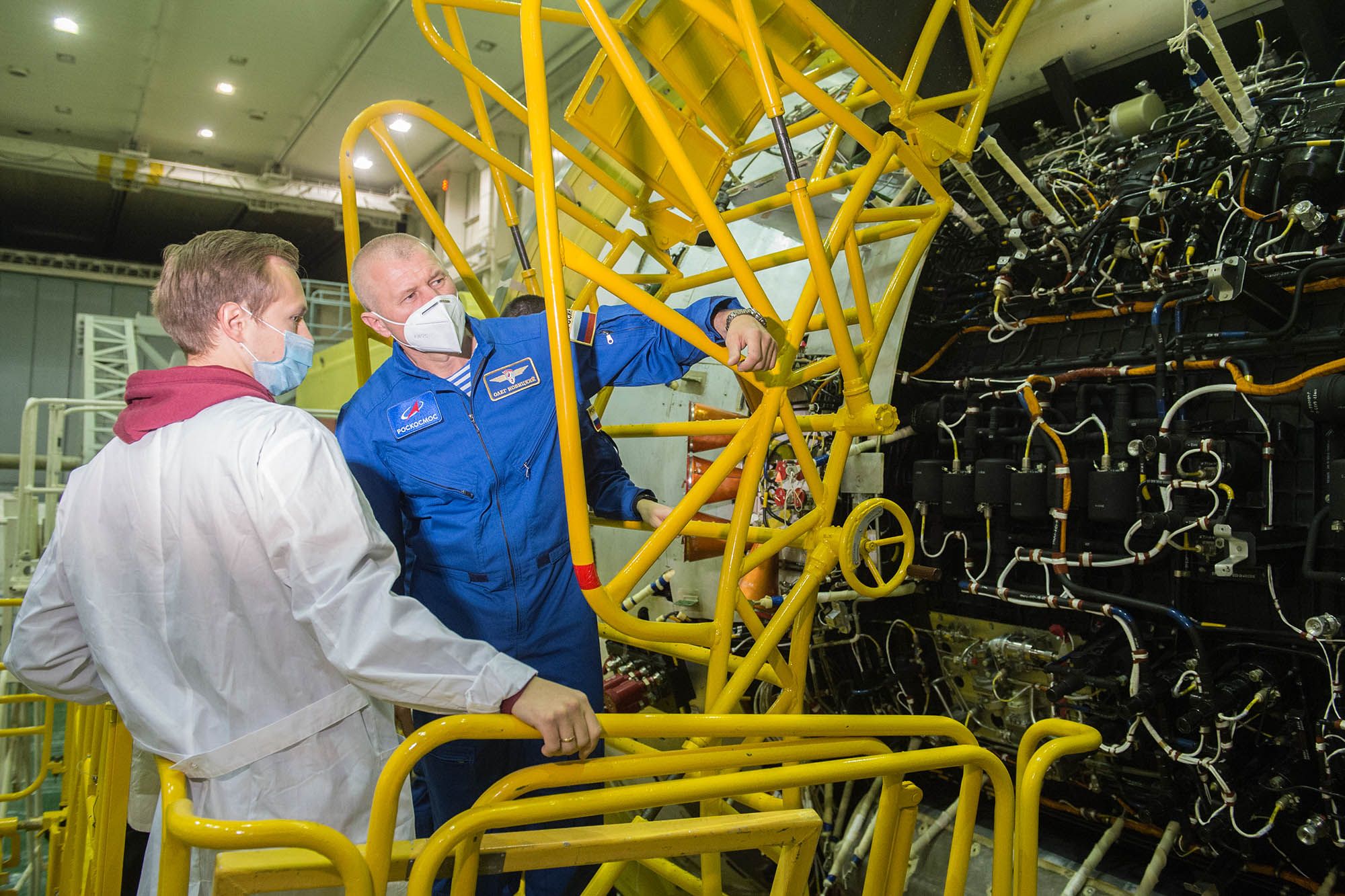
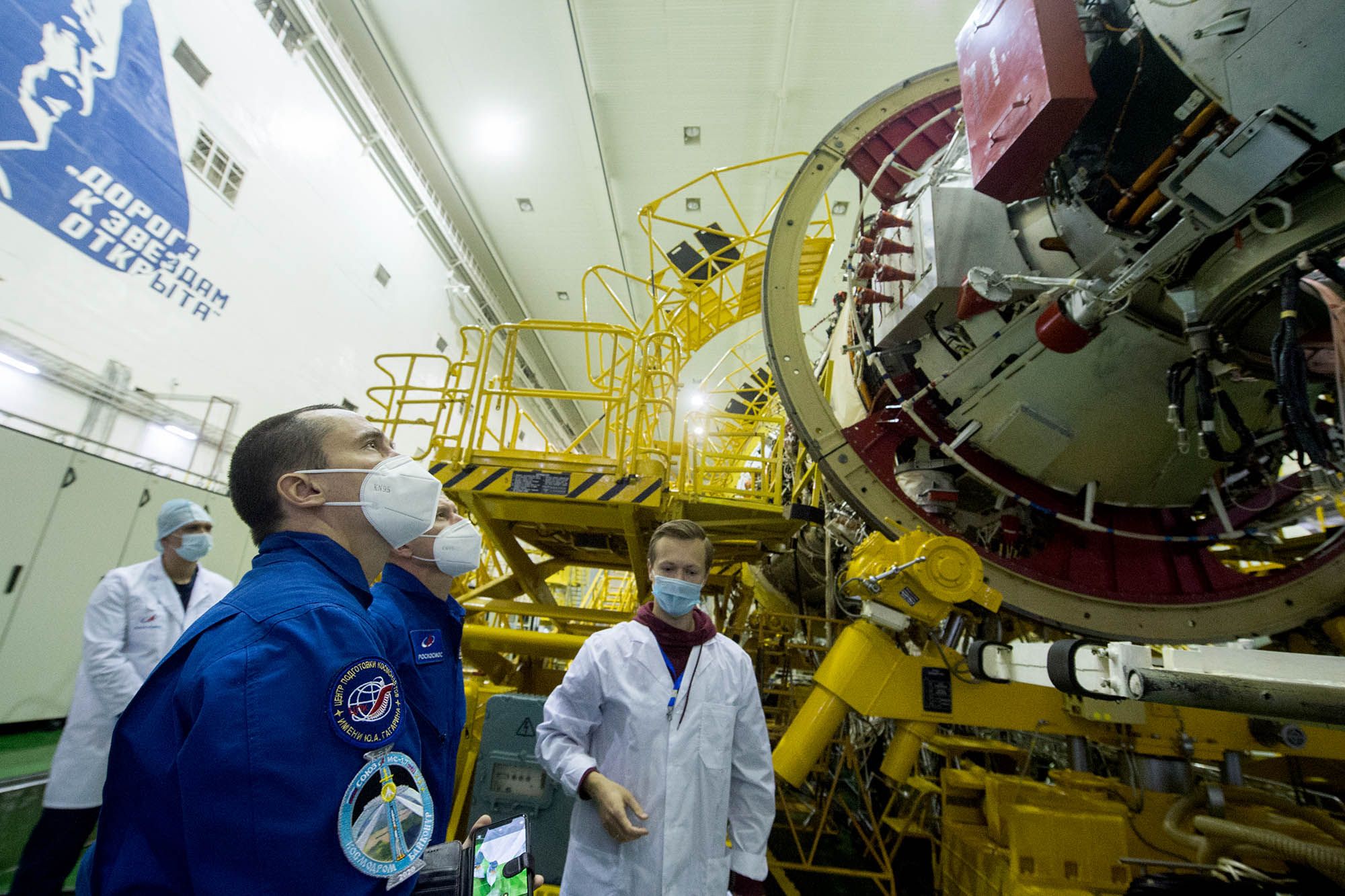
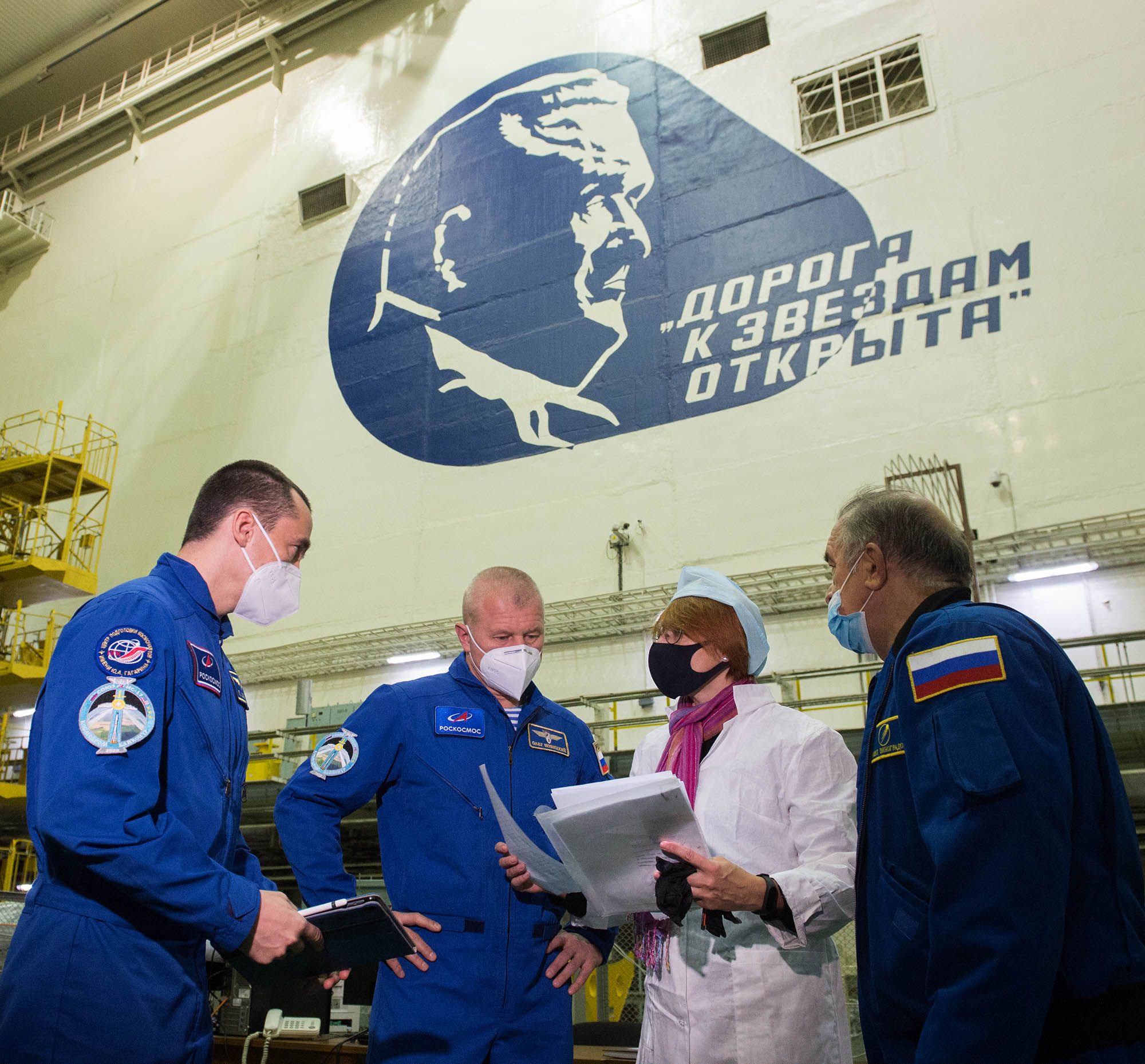
Last weekend Roscosmos cosmonauts Oleg Novitsky and Pietr Dubrov passed a 2-hours training under the supervision of RSC Energia corporation specialists at pad # 254. These cosmonauts will work aboard the station when Naka is to be launched to the ISS. In the course of the training the cosmonauts studied the interior of the module as well as its outer surface.

Under the specialists command Russian crew members studied the equipment and its location inside the module, control cabin and sewage disposal system

Following the results of the training the cosmonauts gave some recommendation on future crews dafe and comfortable stay in the module.

Photo credit: GCTC
More from this category:
August 11, 2015

International ISS crew for the first time tasted lettuce grown onboard the station, – NASA was broadcasting this procedure. “Cool! Delicious! So fresh!” – commented…

full story
September 9, 2013

New ISS mission crew will pay more attention to biomedical experiments during their stay onboard the ISS, – Roscosmos cosmonaut Oleg Kotov who is a…

full story
June 16, 2020

On June 16, 1963, 26-year-old Valentina Tereshkova, was launched solo aboard the Soviet rocket Vostok 6, becoming the first-ever woman in space. She spent nearly…

full story
April 28, 2014

For two weeks ISS-40/41 mission main and back-up crew members have been passing preflight exams in GCTC. Cosmonauts and astronauts demonstrated their skills of manual…

full story
January 26, 2015

From January 19 up to February 9, 2015 GCTC is conducting winter survival trainings for the following crews: – ISS-48/49 (Anatoliy Ivanishin, Roscosmos, Takuya Onishi,…

full story
July 10, 2020

Gamma-400 astrophysical space observatory designed to study gamma-ray sources in the Universe is to be launched by Angara booster from Vostochny launchsite, – reported  Arkady…

full story
August 26, 2020

One of the Russian geostationary meteorological satellites, Electro-L, is located over the Atlantic Ocean, Roskosmos reported. The geostationary orbit is a circular orbit with an…

full story
January 17, 2022

The image captures the crater’s central uplift – raised from depth during the impact event that carved out the crater itself – and a variety…

full story