November 15, 2018
Categories: History

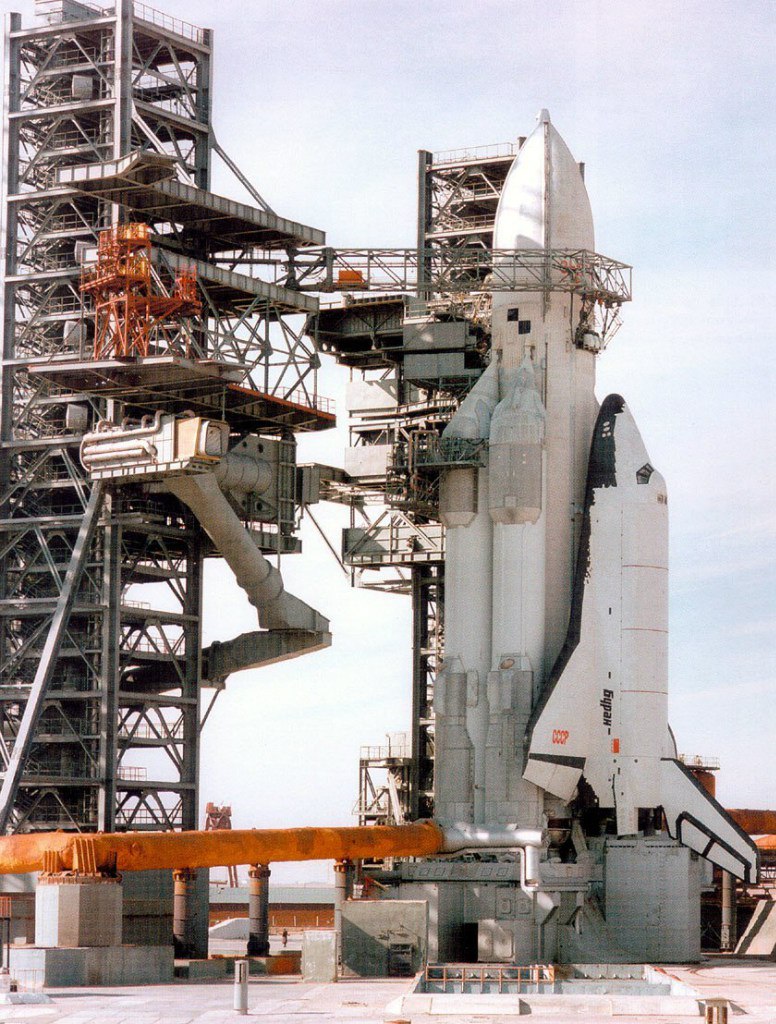
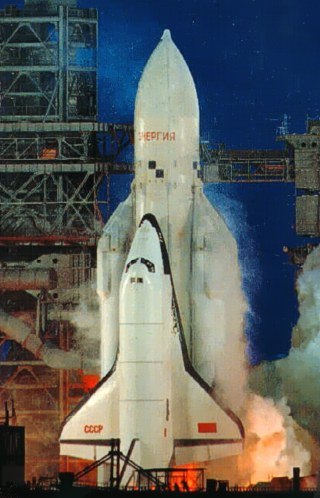
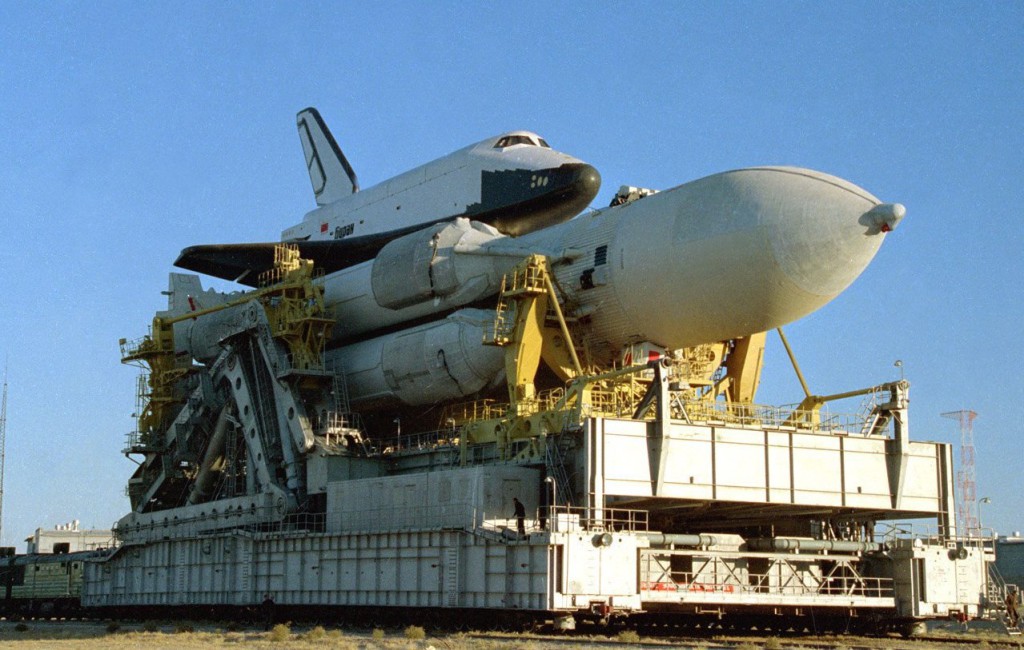
On November 15, 1988, 30 years ago, the Soviet spaceship “Buran” made its triumphal unmanned flight.

It circled the Earth twice and made the first ever automatic landing of a winged spacecraft on the landing complex of the Baikonur cosmodrome.

This event was the crown of the most complex and most expensive program of the Soviet space program, which began in the mid-1970s as a response to the development of American space shuttles.

It possible to say, that the program to create a space system “Energia-Buran” has become the most ambitious space project in Soviet and Russian history.

For the production of “Buran” it was necessary to create thousands of new materials, technologies, production processes, stands, laboratories, to spend tens of thousands of different tests, units, models, flying laboratories and experimental products.

The whole country worked on the “Energia-Buran” system – during its creation, the efforts of hundreds of design bureaus, factories, research organizations, military builders, and operational parts of space forces were combined.

In total, 1286 enterprises and organizations from 86 ministries and departments participated in the development of the system, the largest scientific and production centers were involved.

The “Energia-Buran” system employed more than 2.5 million people throughout the country, more than a million of whom were directly involved in its creation.

As of the beginning of 1992, the total direct investments on the program amounted to 16.4 billion rubles.

Prior to “Buran”, the Soviet space history knew nothing of the kind.
371922223

4171847037

1051875340

More from this category:
January 16, 2015

Russian rocket producer Energiya has signed a $1 billion contract with US Orbital Sciences Corporation for the delivery of 60 RD-181 engines, the company’s press service said Friday…

full story
May 28, 2020

Yesterday launch of SpaceX Crew Dragon manned mission from Cape Canaveral was cancelled due to the low cloud ceiling. New attempt is to be made…

full story
March 22, 2016

MCC specialists completed forming Resource-P #3 working orbit increasing its altitude by 70 km. Soyuz-2.1b with Resource-P #3 Earth remote sensing satellite was launched from…

full story
June 18, 2018

On June 17, 2018 at 00:46 (Moscow time) from the State Test Cosmodrome “Plesetsk” military crew of the Russian Space Forces launched a space rocket…

full story
September 2, 2013

The exact date  of new multipurpose laboratory “Nauka”module  launch to the ISS is finaly announced. “October this year according to RSC Energia plans the module…

full story
March 18, 2020

This morning, on March 18, 2020, the “Soyuz-2.1b” booster rocket with the Fregat upper stage and a new batch of OneWeb communications satellites were rolled…

full story
June 23, 2015

Japanese businessman Satoshi Takamatsu who has been passing preflight trainings in Star City is not going to fly to the ISS in September instead Sarah…

full story
March 29, 2016

Aerospace indstry specialists completed general assembling of Soyuz-2.1a booster that is to launch new Russian cargo vehicle Progress MS-02 on March 31, – Roscosmos spokesman…

full story