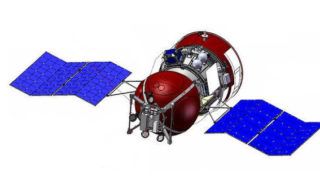
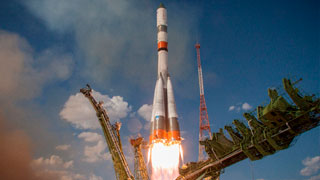


A press conference was held at the Mission Control Center at TSNIIIMASH on the results of the work of the State Commission to determine the causes of the emergency situation, that occurred on October 11, 2018 during the launch of the “Soyuz-FG” launch vehicle with the “Soyuz MS-10” spacecraft.
The following persons took part in the press conference: the chairman of the emergency commission, deputy general director of TSNIIMASH Oleg Skorobogatov, TSNIIMASH acting general director Nikolai Sevastyanov; Alexander Lopatin, Deputy General Director for rocket production, operation of ground-based space infrastructure, quality assurance and reliability of the Roscosmos State Corporation; RSC “Energia” general director Sergey Romanov, general director of the RSC “Progress” Dmitry Baranov, general designer for launching and ground-based space infrastructure – deputy general director of TSNIIMASH Alexander Medvedev, deputy head of the FMBA of Russia Vyacheslav Rogozhnikov, director of the Institute of Biomedical Problems Oleg Orlov and head of GCTC Pavel Vlasov.
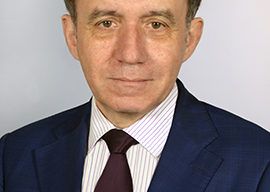
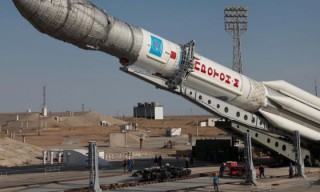
Based on the conclusion of the emergency commission, Oleg Skorobogatov told the journalists about the results: “The start ended with a launch vehicle accident due to the abnormal separation of one of the side blocks (block“ D ”), that hit the central block (block“ A ”) in the fuel tank zone, which led to its depressurization and, consequently, to the loss of stabilization of the space rocket “.
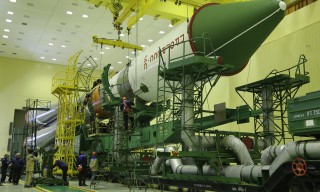
The reason for abnormal separation is the failure to open the lid of the nozzle cover of the oxidizer tank of the “D” block due to the deformation of the splitting contact sensor stem (bending by 6˚45 ‘) allowed during assembling at the Baikonur cosmodrome.
The cause of the rocket accident is operational in nature and extends to the groundwork of the Soyuz type LV.
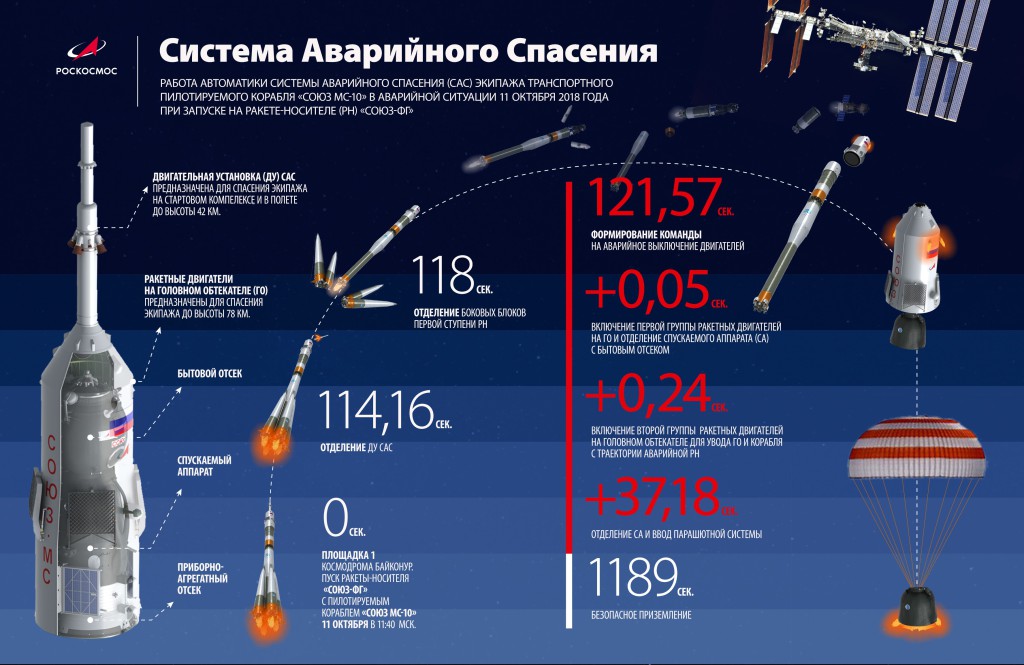
The emergency rescue system of “Soyuz MS-10” worked in accordance with the established logic.
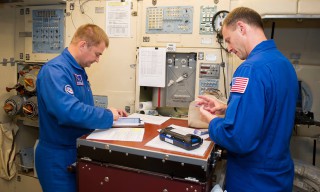
The crew acted in accordance with the requirements of the on-board instructions and instructions of the Mission Control Center. ”
For the implementation of the spacecraft launch plan for the Federal Space Program and the programs of international cooperation of Russia, the Roscosmos State Corporation organized the development of a set of measures to exclude the possibility of an emergency situation repeating and carrying out priority measures to resume the “Soyuz” type rockets launch in November 2018.
Video of the emergency situation during the launch of the “Soyuz-FG” rocket with “Soyuz-MS-10” spacecraft:
https://www.youtube.com/watch?time_continue=93&v=CrzlMTRVt_I