

The Russian Defense Ministry reported that the duty forces of the ground-based automated complex of the Space Forces of the Russian Air and Space Forces conducted more than 450 thousand sessions of spacecraft control in 2024.
The ministry added that the duty forces performed more than 120 thousand sessions of providing control of spacecraft during combat duty tasks. One of the main tasks of the Air Force’s Space Forces is to launch spacecraft into Earth orbit, control military and dual-purpose satellite systems in flight, and use them to provide the necessary data to Russian troops.
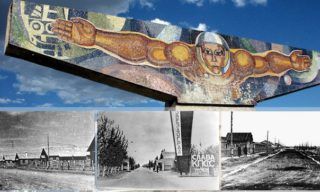
The agency also stressed that the Space Forces continue to work on the development of a new generation of specialized ground-based systems for space control. Command and measurement technologies are also being developed to re-equip the complexes of the Titov Main Test Space Center located in the Moscow region.
The introduction of standardized command and measurement systems will make it possible to move to a new level in the control of Russian satellites and significantly reduce the number of modifications of technical control equipment of older versions.
Earlier, Russian scientists presented a new method that will improve the control efficiency of small solar-powered satellites when exposed to extreme temperatures. It is expected that the new technology will extend the life of spacecraft, as well as improve the quality of remote sensing of the Earth.
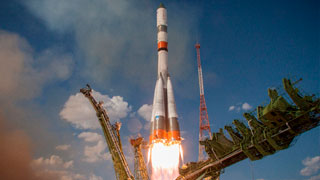
Before that, Roscosmos reported about its achievements by the end of 2024. In particular, last year the Russian Federation conducted 17 space launches, five of them – from the Plesetsk Cosmodrome in the Arkhangelsk region, eight – from Baikonur, and four – from Vostochny. The State Corporation launched a total of 99 spacecraft into Earth orbit. All the launches were successful, thanks to which Russia managed to continue the record series of accident-free launches, which has been in progress since 2018: at the end of last year, the figure reached 134 launches.