

The cosmonaut was born on 10 July 1985 in the village of Severonezhsk, Plesetsk District, Arkhangelsk Region. After graduating from the Baltic State Technical University named after D.F. Ustinov (Voenmeh) in St. Petersburg, he was awarded a master’s degree in engineering and technology in the field of aerospace rocket engineering. After his studies he worked as a design engineer at OJSC Klimov, then at RSC Energia as an engineer in the Main Operational Control Group (MOCG), then as an assistant to the Russian section of the ISS mission manager.
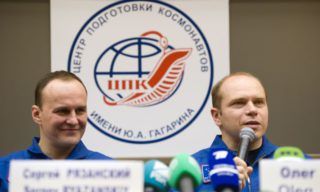
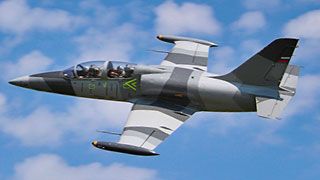
Ivan Vagner joined the Cosmonaut Corps in 2010 and was appointed as a candidate cosmonaut-test pilot of the Roscosmos Cosmonaut Corps. In the course of general space training he underwent flight training on the L-39 aircraft, special parachute training, training in zero gravity conditions reproduced on board the IL-76MDK laboratory aircraft, tests in an isolation chamber, diving training, and training in the GCTC hydrolab on extravehicular activities in the Orlan-MK spacesuit, as well as training on survival in different climatic and geographical zones.
On 3 August 2012, Ivan Vagner, who successfully passed the state exams, was awarded the qualification of cosmonaut-test pilot of Roscosmos. From that moment he started training as a member of the Specialisation and Improvement Group, then as a member of the ISS-53/54 and ISS-63 duplicate crews.
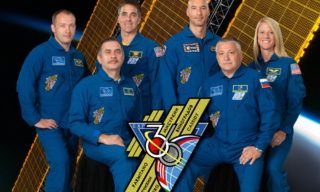
In February 2020, Ivan Vagner began training in the main crew of ISS-63.
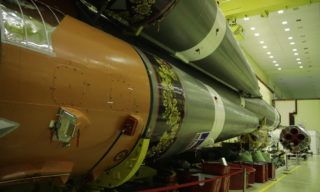
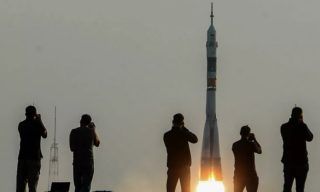
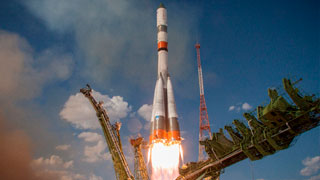
On 9 April 2020 at 11:05 Moscow time from the 31st site of Baikonur Cosmodrome, a Soyuz 2.1a launch vehicle was successfully launched, which put into orbit the Soyuz MS-16 manned transport spacecraft. Ivan Vagner went into space as the ship’s flight engineer together with his colleagues – commander Anatoly Ivanishin and flight engineer Christopher Cassidy. The duration of the flight was 196 days.
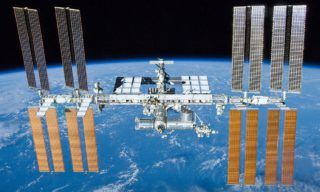
By the Decree of the President of the Russian Federation № 251 from 04.05.2022, Ivan Vagner was awarded the title of Hero of Russia for courage and heroism shown during the long space flight on the International Space Station.
Since May 2023 Ivan Vagner has been training as a member of the duplicate crew of the visit expedition as commander of the Soyuz MS spacecraft and commander of EP-21. Now the cosmonaut is preparing for the 72nd long-duration expedition to the ISS as the main crew member. The launch is scheduled for September 2024.
Happy birthday, Ivan Victorovich!