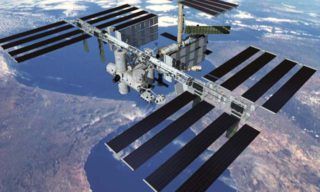


Up to three spacewalks can be performed by the ISS-65 crew in the upcoming expedition to the International Space Station. During The spacewalks will be the phased integration of the Nauka module into the Russian segment of the ISS. According to Roscosmos cosmonaut Pyotr Dubrov, each of the possible spacewalks is worked out in turn in the hydro laboratory while testing its systems.
During a dive, astronauts spend about four hours underwater on average. After that, the participants discuss how successful it was. A detailed analysis of the actions is possible with the help of underwater video.
‘Preparing for extravehicular activity is a rather complicated procedure, just like the activity itself,’ explained Pyotr Dubrov. ‘In outer space, it is always carried out by two cosmonauts for safety reasons. If an unforeseen situation suddenly happens to someone, the partner will rescue him and take back to the airlock. By the way, the airlock module itself is designed only for two, so, for example, it is impossible for three of us to go out into outer space.’
Pyotr Dubrov’s first diving experience took place when he was undergoing general space training and practicing typical actions. Then, as a backup crew member, he performed real tasks of the ISS-64 crew during their flight preparation. Now the cosmonaut is participating in the tests as a member of the ISS-65 prime crew.
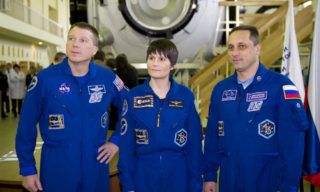
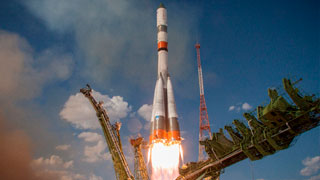
The Soyuz MS-18 crewed spacecraft with the 65th long-term expedition crew is to be launched in April 2021. There is not much time left before the launch, so intensive preparations are underway at Gagarin Cosmonaut Training Center.